Silent Destruction of Heritage in Jammu & Kashmir: Why Conservation Must Become a Legal and Cultural Priority
Introduction: A Growing Crisis in Heritage Conservation
The recent discourse around the “silent destruction” of heritage in Jammu and Kashmir highlights a deeply concerning reality—our cultural landmarks are not disappearing due to war or natural disasters, but through neglect, unscientific restoration, and everyday damage.
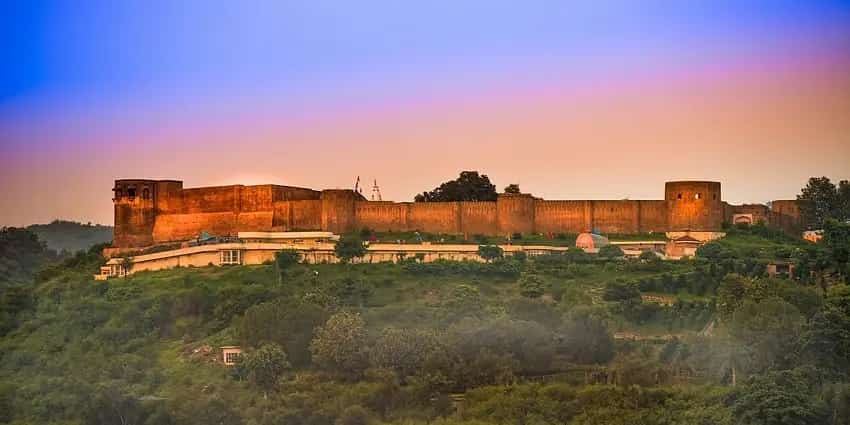
From Sudh Mahadev Temple to Bahu Fort, and from ancient baolis to Himalayan shrines, these sites are not just structures—they are living archives of history, resilience, and artistic excellence.
The Real Threat: Neglect and Unscientific Renovation
While awareness about heritage is increasing, the actual condition of monuments tells a different story.
Key Issues Affecting Heritage Sites
- Use of cement instead of traditional materials
- Lack of conservation expertise during restoration
- Vandalism and defacement by visitors
- Weak enforcement of heritage protection laws
Each careless alteration—whether a scratch on a wall or a layer of cement—results in irreversible loss of authenticity.
Heritage Conservation Is Not Optional—It Is a Legal Obligation
India is a signatory to the UNESCO World Heritage Convention, which establishes collective responsibility for protecting cultural heritage.
National Legal Framework
Ancient Monuments and Archaeological Sites and Remains Act
- Prohibits defacement and unauthorized alterations
- Provides penalties for damage to protected monuments
However, the problem lies not in the absence of laws—but in their weak enforcement and monitoring.
Without accountability, even the strongest legal frameworks risk becoming symbolic rather than effective.
Why Professional Expertise Is Critical in Conservation
Heritage conservation is a specialized discipline, not a routine construction activity.
What Proper Conservation Requires
- Knowledge of traditional materials like lime mortar
- Understanding of stone behavior and aging
- Respect for historical authenticity and context
- Scientific documentation and planning
Engaging trained conservation professionals ensures that restoration:
- Preserves identity
- Maintains structural integrity
- Aligns with international standards
The Problem with Modern Engineering Approaches
Too often, restoration is treated like modern renovation.
Common Mistakes
- Replacing lime with cement
- Ignoring traditional craftsmanship
- Altering original architectural features
This approach doesn’t just repair—it erases history.
Even the loss of a single motif can mean the disappearance of an irreplaceable cultural narrative.
Global Standards for Heritage Conservation
International frameworks emphasize authenticity and integrity as core principles.
Key Conservation Guidelines
- UNESCO conventions
- Venice Charter (1964)
- Nara Document on Authenticity (1994)
These frameworks stress:
- Minimal intervention
- Material authenticity
- Cultural context preservation
The Role of Government and Policy
For effective conservation, governments must move beyond symbolic gestures.
What Needs to Change
- Active involvement of heritage experts
- Stronger law enforcement mechanisms
- Regular monitoring and audits
- Integration of conservation into urban planning policies
Heritage must be treated as a core development priority—not an afterthought.
Community Responsibility: The Missing Link
Conservation is not just the government’s responsibility—it belongs to every citizen.
What Communities Can Do
- Respect heritage sites
- Avoid defacement and damage
- Promote awareness among younger generations
- Support preservation initiatives
Choosing reverence over recklessness is essential for safeguarding our shared legacy.
Development vs Conservation: A False Debate
A common misconception is that development and conservation are opposing forces.
In reality:Sustainable development and heritage conservation are partners—not rivals.
When integrated properly:
- Heritage boosts tourism
- Strengthens cultural identity
- Enhances economic growth
Looking Ahead: A Vision for 2027 and Beyond
With milestones like IDMS 2027, there is an opportunity for Jammu and Kashmir to emerge as a model for heritage stewardship in India.
But this requires:
- Immediate action
- Policy implementation
- Community participation
- Professional oversight
Conclusion: A Call to Protect Our Cultural Legacy
The silent destruction of heritage is not inevitable—it is preventable.
To safeguard our monuments, we must:
- Enforce existing laws
- Engage conservation experts
- Empower communities
- Respect authenticity
Because ultimately:
Heritage is not just about the past—it is a responsibility toward the future.
Secretary-General, ICICH-ICOMOS | Co-Counselor, ICOMOS-India
A heritage scholar bridging fieldwork with global advocacy, focusing on the preservation of
cultural landscapes, memory, and intangible heritage.